Apartment + condo moving
Built for elevators, docks and deadlines.
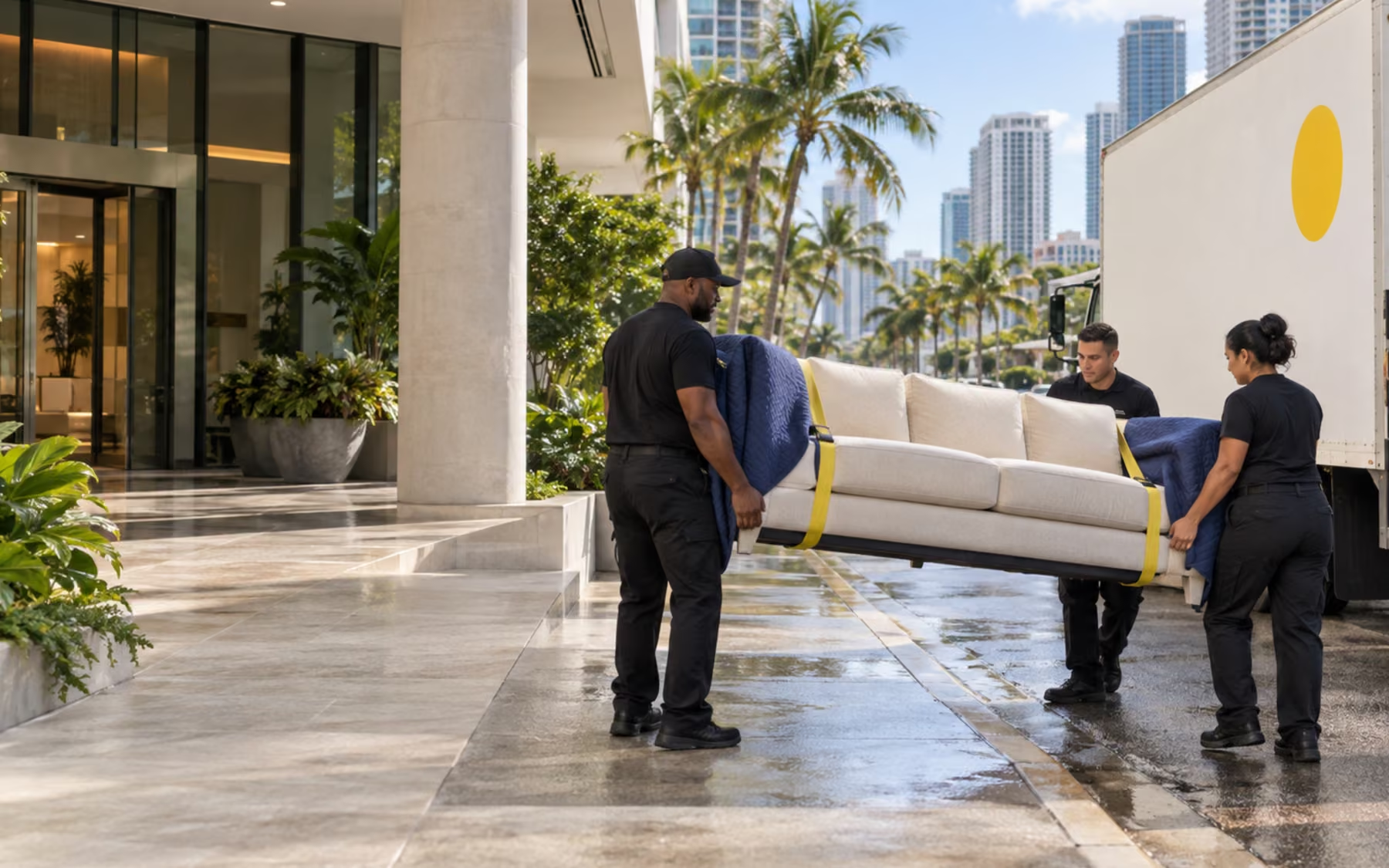
In a high-rise move, the building is part of the project. The crew may need approval, a certificate of insurance, a protected elevator, a reserved loading area and a fixed service window before the first item can move.
WHAT TO KNOW
The building checklist comes first
Ask management for the move packet as soon as your date is known. Confirm the COI wording, additional insured requirements, approved hours, elevator reservation, deposits, loading location and how long the elevator window lasts.
Send those instructions with the quote request. A coordinator can then identify open questions before the building office closes or the required submission deadline passes.
Plan the path, not only the truck
Measure large pieces against doorways, elevator dimensions and tight corridor turns. Note whether the truck can reach the loading dock or whether a long carry is required from a public curb or garage entrance.
Miami weather matters too. Covered staging, floor protection and a plan for sudden rain help limit unnecessary exposure while the crew works within the reserved time.
FREQUENTLY ASKED
ANSWERS BEFORE YOU MOVE.
What is a moving COI?
A certificate of insurance summarizes the mover’s active coverage for a requesting building. Management may require specific wording or parties to be listed. The operating company must supply authentic documents that meet the property’s instructions.
Who reserves the freight elevator?
The resident or tenant often reserves it directly with management, although responsibilities vary. Confirm the date, approved hours, deposits, padding rules and where the crew should check in.
What if my elevator window is short?
Share the exact window before scheduling. The inventory, crew plan, staging and truck access must be evaluated against the available time rather than assuming an unrestricted move.
KEEP PLANNING
THE NEXT DETAIL.
NO-OBLIGATION QUOTE
Tell us about your move
Move details first. Contact information second.